Emergency Paint Repairs After Storms: What to Do First
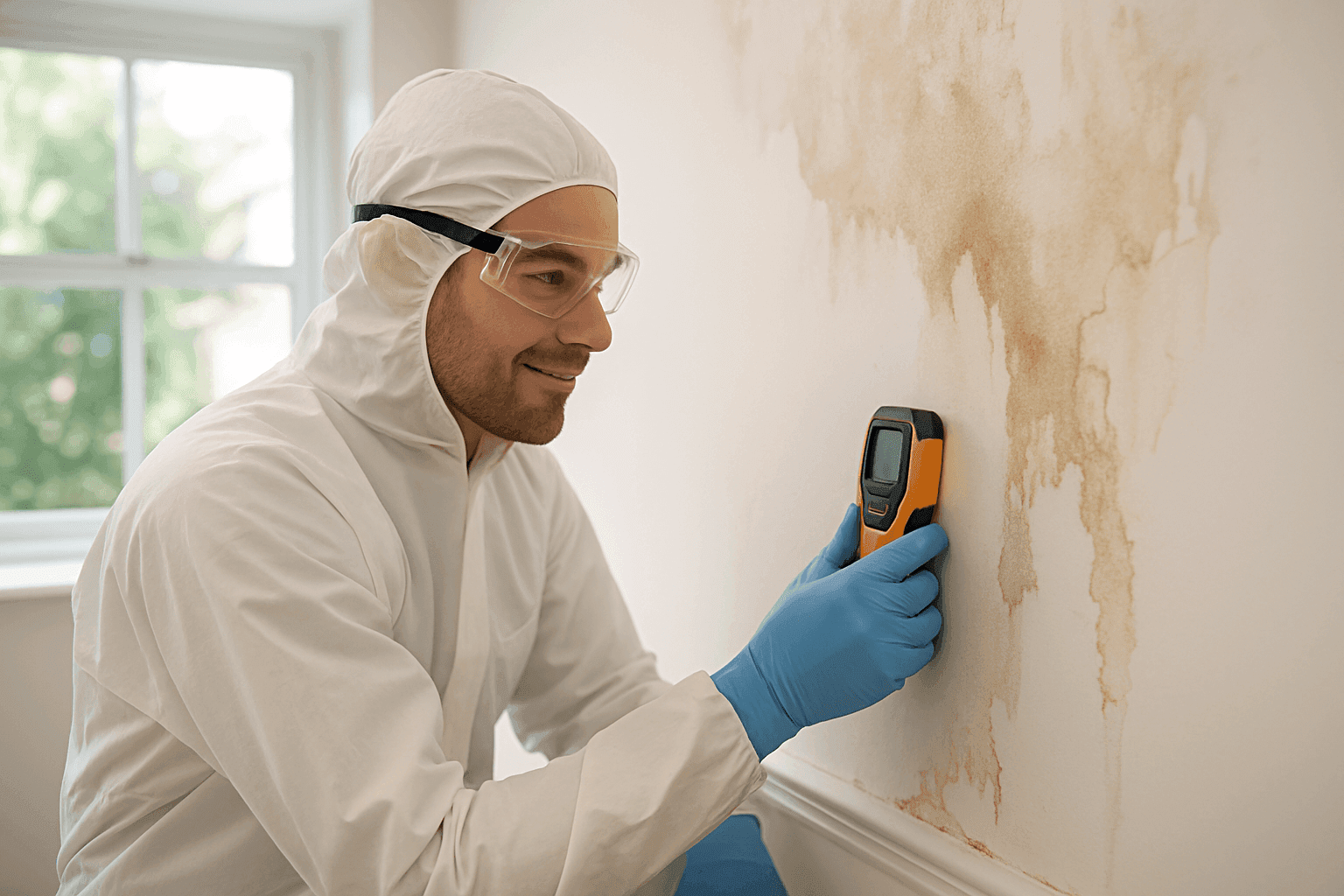
When storms roll through, they don’t just leave puddles and fallen branches. They can pull paint from walls like peeling an orange, leave stains that sink in deep, and open the door to bigger problems down the line. Whether you own a home or manage a business, quick action matters.
At W.F. Cooper & Co., we know these moments can feel overwhelming. But with the right steps, you can protect your property and set the stage for lasting repairs. Here’s what to do—starting right now.
Initial Safety Checks 🛑
Before you reach for a paintbrush or even inspect the damage, safety comes first. Storms can create hidden hazards—think waterlogged wires, weakened surfaces, and even traces of lead paint or mold. Take a breath and scan your environment.
Follow these first:
- Check for live wires or electrical hazards. If you see sparks or hear buzzing, stay clear and call your utility provider.
- Look for standing water. Water can hide dangers beneath, from sharp debris to electrical shock risks.
- Assess structural damage. If walls, ceilings, or floors appear bowed, bulging, or unstable, don’t enter the space.
- Smell for gas leaks. If you detect gas, evacuate immediately and call emergency services.
- Wear protective gear. Gloves, boots, and even a mask can shield you from unknown residues or mold.
Once safety is clear, you can start sizing up the painting and surface problems.
Assessing Paint and Surface Damage
Storms can attack paint in more ways than one. Here’s how to spot the trouble—quickly and confidently.
Identifying Water Intrusion
Water is a sneaky enemy. It seeps behind trim, under paint, and into drywall or wood. Look for:
- Dark, spreading stains on walls, ceilings, or floors
- Paint that bubbles, blisters, or feels soft to the touch
- Warped wood or soft spots on trim, doors, or cabinets
If you see these signs, water has breached your paint’s defenses. Addressing moisture is priority one—before any painting begins.
Peeling, Blistered, and Flaking Paint
Storms often leave a trail of peeling or blistered paint. This can look like:
- Sheets of paint curling away from the wall
- Small blisters or bubbles, especially near windows or doors
- Paint chipping off exterior siding, trim, or fences
Don’t ignore these. Left unchecked, they can let in more moisture or pests.
Mold and Mildew Risks
Dampness plus warmth is a recipe for mold. It shows up as:
- Black, green, or gray spots—sometimes with a fuzzy texture
- A musty, earthy smell, especially in basements or behind furniture
- Discoloration around windows, bathrooms, or places hit by leaks
According to the CDC, mold can cause health issues. If you see it, avoid disturbing the area until it’s properly handled.
Temporary Protection Measures 🛡️
Can’t get repairs started right away? These steps can help limit further damage.
- Dry what you can. Use fans or dehumidifiers to speed up drying in affected areas (following safety guidelines from the EPA and your local code).
- Cover exposed areas. Plastic sheeting or tarps can shield open patches from more water or debris.
- Remove standing water. Mop or wet-vac where possible—always with the power OFF.
- Move furniture and valuables. Get items away from wet walls or floors to prevent stains or warping.
Quick protection gives you breathing room and helps prevent issues from snowballing.
When to Call a Professional
Some repairs are safe for handy homeowners. Others require the skills, tools, and safety measures only a professional brings. Here’s how to decide.
DIY is usually safe when:
- The damage is limited to small, dry areas (like a few blisters or spots of peeling paint)
- No signs of lead paint (especially in homes built before 1978—see EPA lead safety guidelines)
- No electrical, structural, or mold risks are present
Call W.F. Cooper & Co. when:
- Paint damage is widespread or keeps growing
- Surfaces feel soft, unstable, or are leaking
- There’s visible mold, mildew, or suspected lead paint
- You need paint removal, specialty coatings, or professional equipment (for large-scale prep, sealing, or eco-friendly paint options)
- The affected area is high-traffic, commercial, or industrial
When in doubt, it’s safer to get a professional assessment. Your health—and your property—are worth it.
Actionable Checklist: What to Do First
- Ensure safety. Shut off power if needed, and steer clear of hazards.
- Document everything. Take photos and notes—these help with insurance claims and repair planning.
- Stop further damage. Dry and cover affected areas as best you can.
- Assess the scope. How much paint and surface is damaged? Is it isolated or widespread?
- Decide on next steps. DIY small fixes, or call for help with big jobs or hidden risks.
- Contact your insurance provider. Report damage, share documentation, and confirm what’s covered.
- Schedule repairs. For large-scale or hazardous jobs, call a professional painting team near you.
What Pros Do On Arrival 🧰
When W.F. Cooper & Co. arrives, here’s what you can expect:
- Thorough inspection. We check for water intrusion, hidden damage, and risks like mold or lead.
- Moisture measurement. Using pro-grade tools, we figure out how deep water has gone.
- Surface prep. From garage floor painting to drywall repair, we remove damaged paint, dry surfaces, and prepare everything for new coatings.
- Specialty solutions. Need epoxy floor coating, stucco painting, or eco-friendly paint? We match the method to your material.
- Documentation. We provide details for your insurance or property records.
- Clear communication. You’ll know what’s happening at each step—and what repairs can (and can’t) wait.
Prevention & Maintenance
Storms may be unpredictable, but you can build resilience into your property. Here’s how:
- Regular inspections. Walk your property after every major storm.
- Prompt repairs. Don’t let small paint issues fester—they can grow.
- Seal and stain. Wood Staining and surface sealing can shield decks, fences, and concrete.
- Choose the right paint. Specialty coatings, exterior paints, and textured finishes often stand up better to weather.
- Power washing. Clean surfaces regularly to remove dirt, mildew, and old paint before they break down.
For commercial properties, schedule professional maintenance before storm season.
Costs & Time Factors
Every storm is different, and so are the repairs. Here’s what can affect the process:
- Extent of damage. Small spots can be fixed quickly; widespread issues take longer.
- Surface materials. Concrete, wood, stucco, and metal each have their own needs.
- Type of repair. Emergency paint removal, cabinet refinishing, or lead paint removal require different skills and tools.
- Weather conditions. Repairs may be delayed if surfaces need to dry out.
- Insurance claims. Timeframes can stretch if documentation or approvals are needed.
Repairs might take a few hours—or several days for large, complex jobs. The earlier you act, the better.
When It’s an Emergency
Not every paint problem is urgent. But some are. Call for emergency help if:
- Water keeps entering your home or business
- Paint damage exposes wood or drywall to the elements
- Mold or mildew is spreading
- The area is used by children, the elderly, or those with respiratory issues
- There’s any sign of structural instability or lead paint
If you’re unsure, err on the side of caution.
FAQ: Storm-Related Paint Repairs
Can I just paint over water stains after a storm?
Not safely. You need to dry the area thoroughly and remove or seal stains first, or the problem will return.
How do I know if my paint contains lead?
Homes built before 1978 may have lead paint. Professionals use EPA-approved tests to check safely.
Is it safe to use fans or dehumidifiers after flooding?
Yes—but only after ensuring there are no live wires or electrical hazards. Always follow local safety codes.
Will my insurance cover paint repairs?
It depends on your policy. Document damage and contact your provider promptly.
Local and Seasonal Considerations 🌦️
Storm season varies by region, but quick temperature changes, freezes, and humidity spikes can all impact paint. In winter, be extra cautious with water intrusion and freezing pipes. In humid months, mold risk is higher.
Keep an eye on weather forecasts and schedule painting or maintenance when conditions are most stable.
Storms happen. Fast action and the right expertise protect your space—and your peace of mind. W.F. Cooper & Co. is here to help with everything from wood staining to emergency surface prep, garage floor painting, and beyond.
Call W.F. Cooper & Co. now — or reach us anytime at 855-585-2018 .