Lead Paint Removal: Safe Practices for Modern Homes
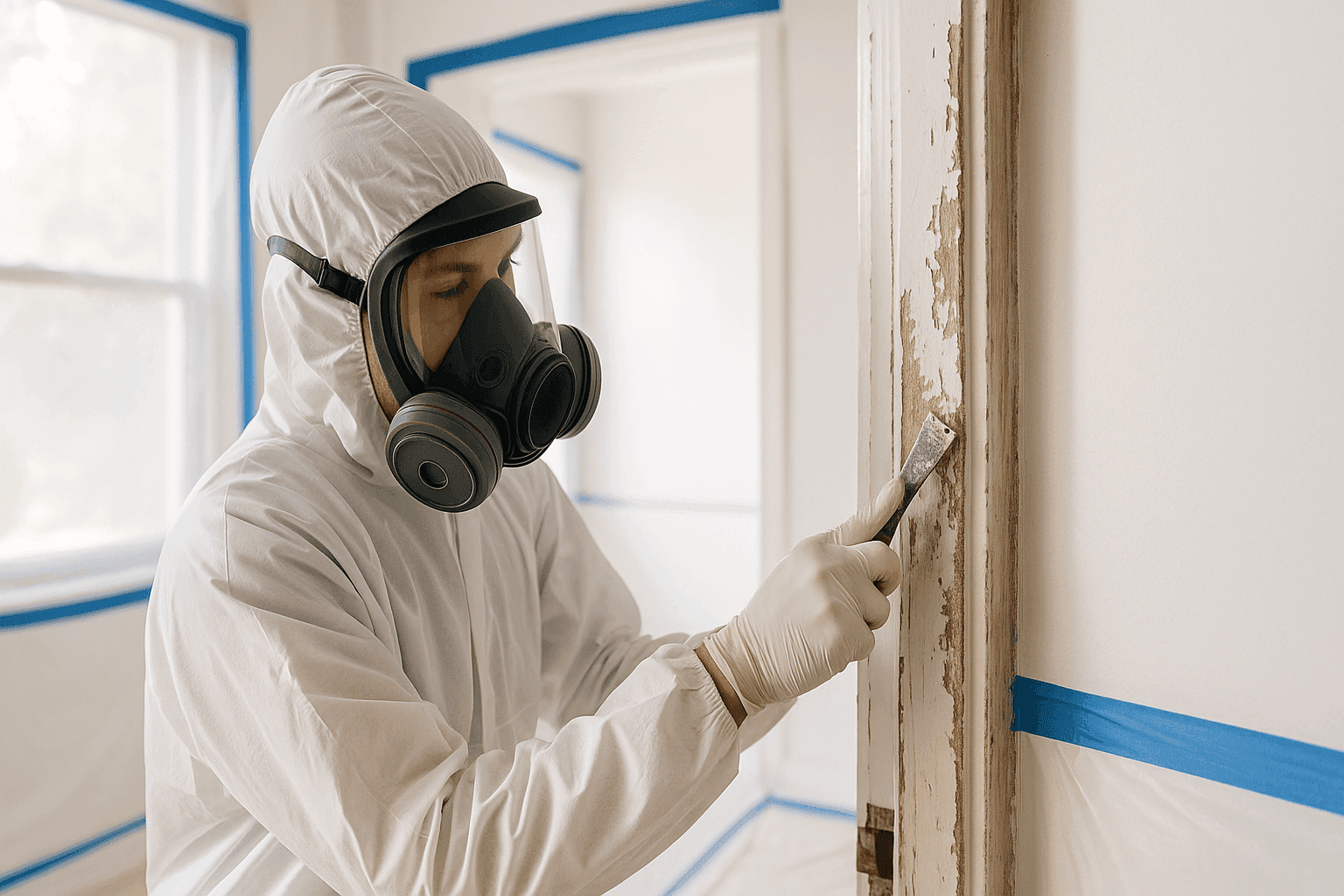
Lead paint hides in plain sight. It’s silent, but not safe. If your home or business was built before 1978, there’s a real chance you’re sharing space with a hidden health hazard. At W.F. Cooper & Co., we understand how unsettling this can be—and how urgent it is to act.
Lead dust isn’t just a line item in a home inspection report. It’s a danger to children, pets, and adults alike. Removing lead paint isn’t just about freshening up your walls—it’s about protecting your family, your employees, and your peace of mind.
Why Lead Paint Removal Matters
Lead is like an invisible invader. Once it’s in your home, it can get into the air, the soil, even your food. Tiny chips or dust from old paint may seem harmless, but they carry heavy risks:
- Children’s health: Even small amounts can harm brains and nervous systems.
- Pregnant women: Lead can pass to unborn babies, causing lifelong issues.
- Legal compliance: The EPA and OSHA don’t just recommend safe removal—they require it.
Ignoring lead isn’t an option. It’s a gamble with high stakes.
How to Identify Lead Paint 🏠
Knowing is half the battle. Here’s how you can tell if you might have lead paint:
Common Signs
- Age of the building: Homes and businesses built before 1978 are prime suspects.
- Cracking or alligatoring: Lead paint often peels in a scaly, cracked pattern.
- Dusty windowsills: White or gray dust near old window frames can be a clue.
Testing Options
- DIY test kits: Available at most hardware stores. Follow instructions carefully; results can be tricky to interpret.
- Professional lab analysis: A paint chip is sent for analysis—this is the gold standard.
- XRF analyzers: Used by certified pros for instant, reliable results.
Caution: Never sand, scrape, or disturb suspect paint before testing. That releases hazardous dust.
Testing and Legal Requirements
EPA and OSHA Guidelines
- EPA Renovation, Repair and Painting (RRP) Rule: Any renovation in pre-1978 homes or child-occupied facilities must follow strict safety standards.
- OSHA Standard 1926.62: Protects workers and building occupants during removal projects.
Many states and cities have even stricter rules, especially where older homes are common.
When Testing is Mandatory
- Before renovations or painting: Required if disturbing old paint.
- When selling or renting: Federal law requires disclosure if lead is present.
Tip: Always keep documentation of lead testing—buyers, tenants, and inspectors will ask for it.
Safe Removal Techniques
Lead paint removal isn’t like peeling off a sticker. It’s more like defusing a bomb—slow, careful, and by the book.
Methods That Work
- Wet scraping: Keeps dust down with water misters and wet rags.
- Chemical stripping: Special gels lift paint, but require proper ventilation.
- HEPA vacuum sanding: Only with specialized HEPA-filtered equipment.
What You Should Never Do
- No dry sanding or scraping: This spreads toxic dust everywhere.
- No open-flame burning: Releases dangerous fumes.
- No shortcuts: Rushed jobs put everyone at risk.
DIY or Hire a Professional?
Choosing Qualified Professionals
- EPA-certified contractors: Only hire companies that show proof of EPA lead-safe certification.
- Ask for references: Look for experience in homes or businesses like yours.
- Check insurance: Liability coverage protects you and your property.
DIY? Approach with Caution
Removing lead paint yourself is like hiking a mountain in flip-flops—possible, but risky. If you choose this path:
- Follow EPA guidelines to the letter.
- Rent proper HEPA vacuums and protective gear.
- Block off work areas with plastic sheeting.
Required Safety Gear
- NIOSH-approved respirators (not simple dust masks)
- Disposable coveralls
- Safety goggles and gloves
- Shoe covers
Protecting Children and Pets
- Seal off rooms with plastic and duct tape.
- Move children, pregnant women, and animals out—better safe than sorry.
- Clean all toys, cribs, and pet bedding in affected areas.
Post-Removal Cleanup 🧹
Getting rid of lead paint is only half the job. Cleaning up is where many people slip up.
Steps for Safe Cleanup
- HEPA vacuum everything: Floors, windowsills, vents, and even walls.
- Wet-wipe all surfaces: Use disposable cloths and a lead-specific cleaning solution.
- Double-bag debris: Dispose of according to local hazardous waste rules.
Mistake to avoid: Never toss lead-contaminated debris in regular trash. Check your city’s disposal rules.
Common Mistakes to Avoid
- Skipping protective gear “just for a quick job”
- Letting dust travel through heating and cooling vents
- Not warning neighbors in attached homes or buildings
- Rushing the job and leaving hidden hazards behind
Local Nuances: Older Buildings Mean Higher Risks
In neighborhoods filled with historic homes and pre-war commercial buildings, lead paint is a near-certainty. If your house has been around for decades, don’t assume previous owners solved the problem. Many layers of paint can hide old hazards beneath newer finishes.
Basements, garages, and exterior fences are often overlooked but just as risky. If you’re planning to refresh anything from garage floors to stucco exteriors, put safety first.
When to Call a Pro—and Why
If the paint is peeling, chipping, or dusting, don’t wait. If you have kids or pets, don’t risk it. If you’re not sure of the rules or lack the right equipment, don’t go it alone.
W.F. Cooper & Co. brings the right tools, the right training, and a commitment to safety. We handle everything from wood staining near you to full-scale residential and commercial painting, always with an eye on health and legal compliance.
Frequently Asked Questions
How do I know if my home has lead paint?
If your building was constructed before 1978, there’s a good chance. Testing is the only way to be sure.
Is it ever safe to paint over lead paint?
Sometimes, but only with proper surface preparation and encapsulation products. Never do this over peeling or unstable paint.
Can I stay in my home during removal?
It depends on the extent of the work. Children and pregnant women should always stay elsewhere.
Are landlords responsible for lead paint removal?
Yes, federal law requires landlords to disclose and address lead hazards in rental properties.
Final Thoughts
Lead paint removal isn’t just a renovation—it’s a health investment. Following the right steps keeps families, employees, and communities safe. When in doubt, let professionals take the wheel.
Call W.F. Cooper & Co. now — or reach us anytime at 855-585-2018 .