Deck Staining & Painting: Seasonal Maintenance for Lasting Results
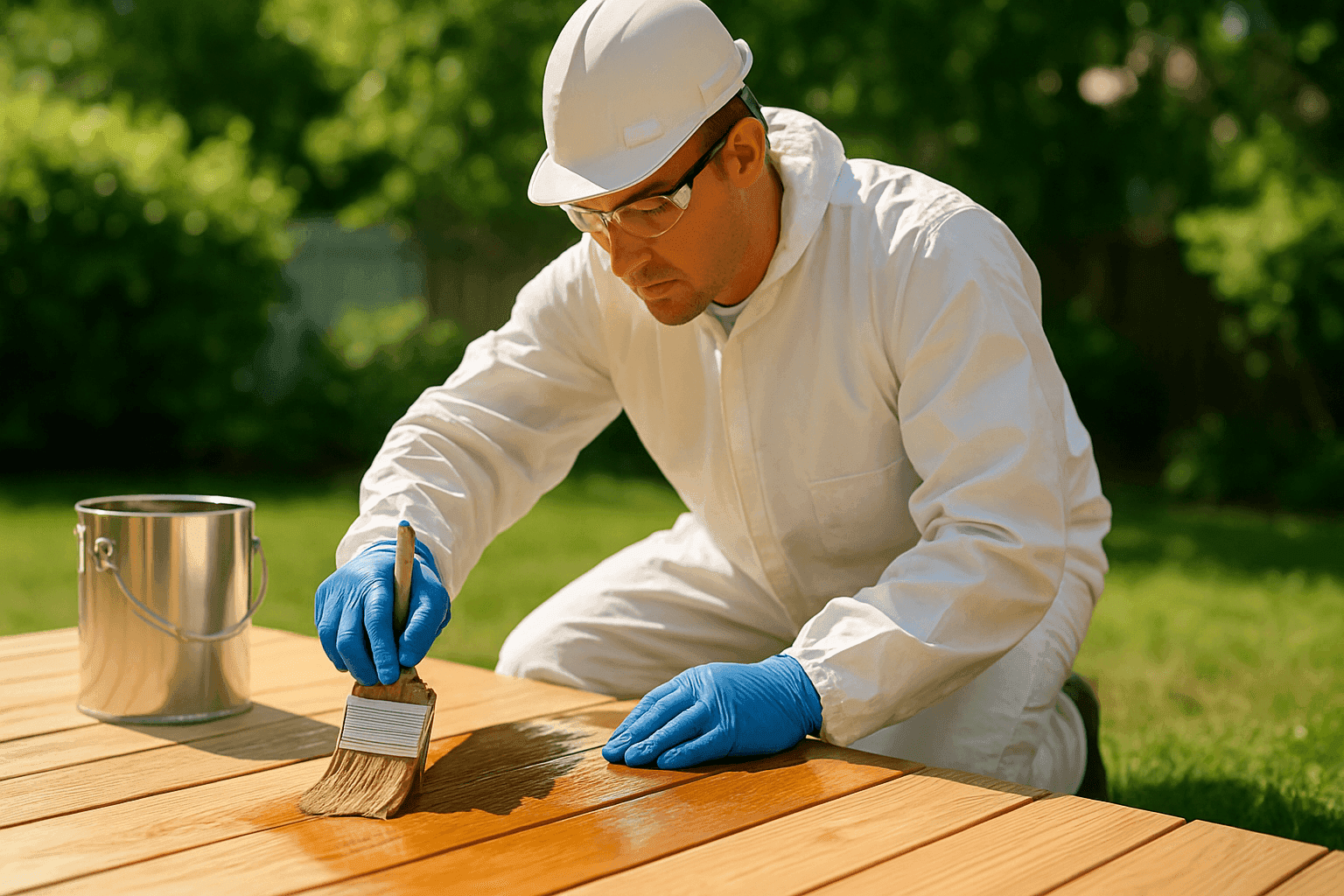
Your deck weathers every storm, every blazing summer, every shovelful of winter snow. It’s the place where you laugh with friends and watch the sun slip behind the fence. But under all those memories, the wood is quietly fighting the elements—rain, sun, snow, and time itself.
At W.F. Cooper & Co., we know that a well-cared-for deck doesn’t just look good. It lasts longer, stays safer, and saves you money. If you want to keep your deck strong, beautiful, and ready for every season, let’s walk through the essentials of deck staining and painting.
When to Stain or Paint Your Deck ⏳
Timing is everything. Staining or painting your deck at the right moment can mean the difference between a finish that flakes off in a year, and one that’s still gleaming two, even three years down the line.
Before Summer: Beat the Heat
- Spring is a goldilocks season for deck projects. The air is warming up, but the sun isn’t scorching.
- The wood is usually dry after winter, but not yet swollen from summer storms.
- Stain or paint in late spring, when nighttime lows stay above 50°F, for the best adhesion and drying.
Before Winter: Shield Against the Freeze
- Fall touch-ups seal your deck before freezing temps and moisture sneak in.
- Any cracks or bare wood left exposed can soak up water, freeze, and split.
- Spot-repair and reseal after the leaves fall, but before the first hard frost.
Spot Repairs: Don’t Wait for a Full Redo
- Soft, spongy patches or dark spots? Do a quick fix before it spreads.
- Sand down peeling areas and touch up with matching stain or paint.
- Addressing issues early is like patching a roof before the rain—fast, smart, and cost-saving.
Different Wood Types, Different Needs
- Pressure-treated pine? Go for oil-based stains that soak in deep.
- Cedar or redwood? A semi-transparent stain highlights the grain and repels moisture.
- Exotic hardwoods like ipe need specific oil-based finishes for UV protection.
- Always check manufacturer instructions and EPA guidelines for safety and compatibility.
Choosing the Right Products 🧴
The best finish for your deck isn’t always the priciest can on the shelf. It’s the one that matches your deck’s material, your local climate, and your family’s needs.
- Oil-based stains: Penetrate deep, highlight wood grain, last long.
- Water-based stains: Dry fast, low odor, easy cleanup—great for families and pets.
- Solid color deck paints: Maximum UV protection, hides old repairs, but may peel over time if not applied right.
- Eco-friendly options: Low-VOC (volatile organic compounds) products are safer for kids, pets, and the planet.
- Non-slip additives: Essential for high-traffic decks or homes with little ones running barefoot.
Pro tip: Look for products rated for exterior use and reviewed by organizations like Consumer Reports or the U.S. Environmental Protection Agency (EPA).
Preparation Steps for Success 🧹
A flawless finish starts with thorough prep. Skipping these steps is like painting a muddy wall—don’t do it.
- Clear the Deck: Remove furniture, grills, and plants.
- Power Wash: Blast away dirt, mildew, and old flaking paint. Don’t gouge the wood!
- Dry Time: Let the wood dry at least 48 hours before applying stain or paint.
- Repair & Sand: Fix popped nails, replace rotted boards, and sand rough spots.
- Mask & Protect: Cover nearby plants and siding. Tape off edges for sharp lines.
- Test Spot: Try your stain or paint on a hidden spot. Check for color and absorption.
- Stain or Paint: Use brushes for railings and tight corners; rollers or sprayers for wide planks.
Safety First
- Wear gloves and a dust mask when prepping.
- If your deck was built before 1978, check for lead paint and follow OSHA guidelines for removal.
- Dispose of old finishes and rags safely to prevent fire hazards.
Common Deck Issues and Fixes 🛠️
Decks take a beating. Here’s how to spot trouble early and what to do about it.
Warping and Splitting
- Boards curling or splitting? That’s water damage or sun exposure.
- Replace warped planks, then seal the new wood.
Mold and Mildew
- Black spots or green fuzz? That’s mildew, not just dirt.
- Clean with a deck cleaner or diluted bleach solution (always follow label instructions).
Peeling or Flaking Finish
- Paint or stain flaking off in sheets? It’s either old age or moisture trapped below.
- Sand, clean, and reapply the finish. Always let the wood dry fully between steps.
Rusty Nails and Screws
- Rust stains can bleed through the finish.
- Swap out old fasteners for stainless steel or coated deck screws.
Faded Color
- Sunlight bleaches wood fast.
- A fresh coat of UV-blocking stain or paint brings color back to life.
Early Warning Signs
Keep an eye out for:
- Spongy or soft spots underfoot
- Splinters or raised grain
- Pooled water after rain
- Greying or dull patches
Catching these early means simple repairs, not a full rebuild.
Product Longevity & Family Safety
You want your deck to last. You also want your kids and pets safe. That’s why W.F. Cooper & Co. uses:
- Low-VOC, non-toxic stains and paints when requested
- Products with proven durability in real-world conditions
- Application methods that seal out splinters and create a smooth, safe surface
Following safety guidelines from the U.S. Consumer Product Safety Commission (CPSC) and EPA ensures your outdoor space is a haven, not a hazard.
Cost Savings from Preventative Care
A stitch in time saves nine—and a coat of stain saves thousands in repairs.
- Regular maintenance doubles, even triples, the lifespan of your wood deck.
- Preventing rot and splitting means less money spent on replacement lumber and labor.
- Proactive painting or staining is far cheaper than structural repairs or a full deck replacement.
If you catch problems early, your wallet and your weekends will thank you.
Timing & Weather Considerations
Deck care is all about the weather. Here’s how to get it right:
- Best temps: 50°F to 85°F, low humidity
- Avoid rain for at least 48 hours after applying finish
- No direct sun—work in the shade or on overcast days for an even coat
If you’re unsure, check the forecast, or consult resources like the National Weather Service.
FAQ
How often should I stain or paint my deck?
Most decks need staining or painting every 2–4 years, depending on sun exposure, foot traffic, and product used.
Can I stain or paint a deck myself?
Yes, but proper prep and safety (especially around old paint) are crucial. If you’re unsure, professional help is always an option.
What if my deck is already painted or stained?
You can re-coat with the same type of finish. Switching products may require stripping or sanding for best results.
Is it safe for kids and pets to use the deck right after staining?
Wait at least 24–48 hours for finishes to dry fully—longer in humid weather. Choose low-VOC products for extra peace of mind.
Local and Seasonal Tips 🌦️
- Rainy climates: Use water-repellent stains and check for mildew twice a year.
- Hot, sunny areas: Prioritize UV-blocking finishes and inspect for color fade mid-summer.
- Snowy winters: Sweep off snow promptly to prevent ice damage or wood splitting.
- Windy regions: Re-secure fasteners and railings each spring.
No matter where you live, a well-maintained deck is a place for memories—not maintenance headaches.
Ready for a deck that stands up to every season? Call W.F. Cooper & Co. now — or reach us anytime at 855-585-2018 .